
Meet our alumni in South Africa
Explore the inspiring projects in South Africa funded through Transforming Systems through Partnership (TSP) grant calls below. These projects received up to £50,000 each for a year of research collaboration and knowledge sharing between South Africa and the UK, focusing on clean energy, affordable healthcare, or to advance existing projects previously funded by TSP. All projects were supported in partnership with the South African Department of Higher Education and Training (DHET), with ODA funding under the UK government’s International Science Partnership Fund. This grant is now closed.
A transformative staff enhancement project for implementation of innovative integrated engineering curricula across SA HE institutions

Dr Lelanie Smith | University of Pretoria
UK Project leads:
-
Professor John Mitchell | University College London (UCL)
Industry partner:
-
Industry Liaison and President of SASEE
-
Vaal University of Technology
The project supported existing curriculum development teams in establishing the implementation of innovative experiential learning curricula with the support from UCL. These teams, as well as teams from institutions who did not yet have identified champions, were supported through a 400-hour mentoring program where staff were developed to set up and run similar activities at their institutions.
Throughout the programme there were short workshops, seminars and mentoring sessions that ensured the collective engineering academic community had access to this support. Engineering Council of South Africa (ECSA) and industry collaborations also provided opportunities to design locally relevant projects with the intentional development of graduate attributes, feedback mechanisms, and assessment tools. These were then shared across institutions.
The main goals of this collaboration were to:
-
Mentor and grow engineering academic staff to become expert facilitators of active integrated learning;
-
Co-develop ECSA support structures for programme accreditation towards facilitation of changes in the curriculum, including industry partners in the development of curricula.
Bytes over Lights: Levelling up community connectivity with cost-effective optical wireless communication

Dr Mitchell Arij Cox | University of the Witwatersrand
UK Project leads:
-
Professor Martin Lavery | Universtiy of Glasgow
Industry partner:
-
Riot Network
-
PeCO Power
The project narrowed the digital divide through collaboration with existing technologies. Partnering with RIOT Network and PeCo Power, the team used innovative optical wireless technology from the previous TSP project to enhance RIOT's community WiFi network pilot projects, improving speed, reliability, and economic viability. Devices incorporated PeCo’s solar power solution to ensure consistent operation, particularly crucial during South Africa's frequent blackouts.
With this foundation, the team aimed to:
- Install prototypes into RIOT's pilot network, upgrading and integrating them to enhance the community network,
- Deploy network telemetry, using privacy-conscious, industry-standard methods to understand how the community utilises their internet connections,
- Publish a roadmap to internet access, drawing on insights gathered and stakeholder engagement to lay a foundation for future endeavours.
Empowerment of people with disabilities through integration of eco-energy systems and sustainable garment processing (Eco-ubulumko)

Adelaide Margaret Sheik | University of Johannesburg
UK Project leads:
-
Professor M Emad Farrag | Glasgow Caledonian University
Industry partner:
-
Jesse Naidoo | Clothes to Good
Clothes to Good (CTG) is a social enterprise focusing on recycling, upcycling and down-cycling, aiming for zero waste. One of the key projects at CTG uses denim to craft weighted products for individuals grappling with conditions like autism, ADHD, and anxiety. These items are made by small-scale home operations, while tending to children with disabilities. The project supported the cultivation of a sustainable society and inclusive economy by combining hybrid renewable energy sources with garment recycling processes. Drawing on Glasgow Caledonian University’s (GCU) expertise in developing hybrid systems, with the involvement of the University of Johannesburg’s (UJs) engineering department, including wind turbines and PV-solar, the project further explored the supply of clean energy for recycling garments.
Furthermore, both UJ and GCU included the Fashion Design Department and UJ’s Business Management department to create an interdisciplinary team to add value to the overall project objectives. Additionally, CTG empowers families and communities caring for individuals with disabilities, enabling them to access electricity and continue working from home. This initiative encourages job creation, enterprise development, and inclusion in the fashion industry while curbing textile waste. Knowledge exchange between South Africa and the UK will facilitate collaboration in addressing sustainability challenges and supporting disadvantaged communities.
TUT & UoS Solar vehicle engineering project: building on prior success

Dr Christiaan Oosthuizen | Tshwane University of Technology
UK Project leads:
-
Professor Andy Cruden and Professor David Richards | University of Southampton
Industry partner:
-
Advanced Materials Technology
-
Ordiphase
This project is a continuation of an existing partnership established and maintained through IAPP1617\5 which was completed in 2019. Since then, the project has gained traction and developed another world-class solar vehicle, SunChaser4, through local follow-up funding and strong industry partnerships. The newest development has been so successful that the South African Government officially applauded the success of the innovation during a national parliamentary assembly on 15 March 2022 which can be seen on page 7 of the minutes.
This continuation project built on knowledge and skills obtained from the previous collaboration to develop a more sustainable clean energy transportation prototype (with two seats) by ensuring systems and sub-systems adhere to the South African Bureau of Standards for future homologation of the solar electric vehicle in the L7 category (mass and traction power restriction only), which should enable further funding towards possible commercialisation.
Transforming research outputs into industry tools and capacity in support of the National Flood Studies Programme in South Africa
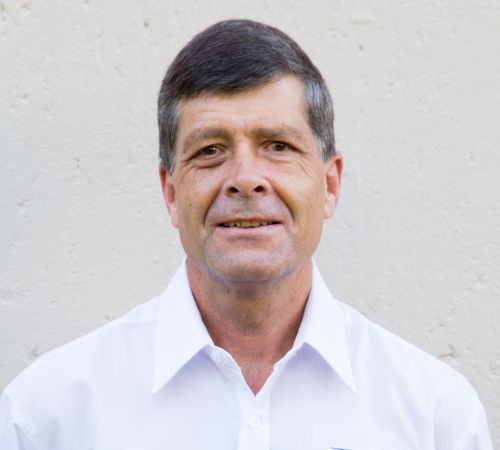
Professor Jeffrey Colin Smithers | University of Kwazulu-Natal
UK Project leads:
-
Dr Thomas Kjeldsen | University of Bath
Industry Partners:
-
National Flood Studies Programme
-
University of Pretoria | Central University of Technology | Stellenbosch University
The National Flood Studies Programme (NFSP) in South Africa commenced in 2014 to update flood risk assessment methods. It has concluded eight funded research projects, with seven PhDs and 17 Master's students graduating from four universities. Additionally, it has published more than 26 journal papers and presented over 30 conference papers. Support from two IAPP projects has aided its execution.
This initiative aimed to expand on these accomplishments by: Supporting collaboration and communication between researchers and industry, contributing to flood risk assessment capacity development in industry, converting research outcomes into software tools, and collating flood risk assessment data and information. Activities included an international knowledge exchange, a research workshop, a training course, software tool development, and establishing an archive to enhance flood risk assessment in industry.
Unlocking the Potential of Alternative Building Technologies and Informal Construction Strategies in Sustainable Housing Provision

Professor Abimbola Windapo | University of Cape Town
UK Project leads:
-
Professor Frencesco Pomponi | Edinburgh Napier University
Industry partner:
-
National Home Builders registration Council
-
City of Cape Town | Central University of Technology
The project supported the integration of Alternative Building Technologies (ABTs) into the supply chain to enhance sustainable housing and tackle limitations of conventional materials. It focused on improving informal housing construction in urban poor communities, which is vital due to growing demand and a significant backlog in affordable housing. Activities included researching and documenting informal housing practices, involving communities in building top structures with ABTs, and evaluating results.
Additionally, the project identified where formal housing solutions and ABTs overlap, engaged stakeholders to promote ABT adoption, and advocated for policy integration. Ultimately, the project aimed to raise awareness of ABT potential and improve their usability by illustrating how these materials can be incorporated into the supply chain and informal housing construction.