
Skills for Safety invitation to tender
We are looking for a supplier to help us re-launch our webinar series. We want to create engaging and purposeful content that aligns with our programme portfolio, and helps us reach a broader global audience, particularly in Lower- and Middle-Income Countries (LMICs).
The series will serve as a platform for raising awareness on specific safety issues, an advocacy tool for the importance of embedding safety and skills in engineering education and practice, and foster dialogue, knowledge exchange, and connection.
We are seeking a provider who can support in the preparation, delivery, promotion, and pre and post-communication of the webinar, including through creating additional content, such as co-authoring thought leadership pieces for the Engineering X microsite and sharing impactful short video soundbites, and providing engagement metrics.
Overview
This is the Engineering Skills for Safety webinar series. It aims to inform and engage our global audience about engineering skills for safety, promote safer and innovative engineering, and establish a new skills for safety community.
The webinars also provide a platform for networking, knowledge exchange, and peer support among safety-focused engineers. They also foster collaboration and partnerships with co-funding organizations, while gathering valuable evidence and data for long-term program impact.
Robot safety webinar
Robots are rapidly moving beyond traditional industrial settings and increasingly operating in homes, public spaces, and medical environments. As these technologies become more integrated into everyday life, ensuring their safe and responsible deployment has never been more important. But with rapid development, how can we ensure safety is appropriately considered?
This webinar will explore the international efforts underway to develop the safety, performance, and interoperability standards needed to support the next generation of service and medical robots. Drawing on two decades of global standardisation work, speakers will outline how robotics standards have evolved - from early industrial guidance to today’s emerging frameworks for personal care robots, mobile platforms, wearable systems, and robotically assisted medical devices.
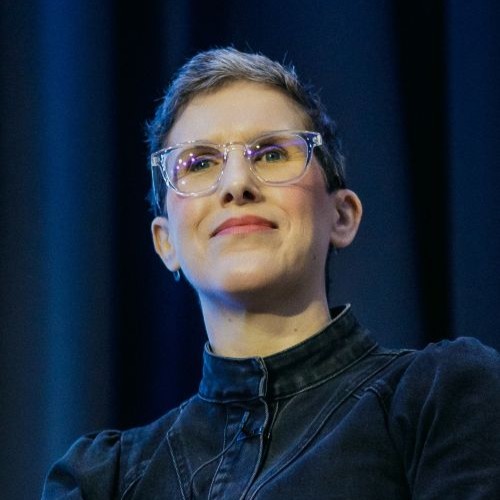
Dr Natasha McCarthy
Dr Natasha McCarthy is the Associate Director for Policy at the Royal Academy of Engineering. Natasha has a background in philosophy of science and engineering and wide-ranging experience in policy, ethics in engineering, technology, and AI. She was part of the founding team of UCL’s Dept of Science, Technology, Engineering and Public Policy, led the policy team at the British Academy, and the Royal Society’s Data and Digital Policy team.
Natasha explores the ethical considerations that underpin technology stewardship and the practical steps engineers can take to ensure these systems are designed and delivered responsibly.
Speakers
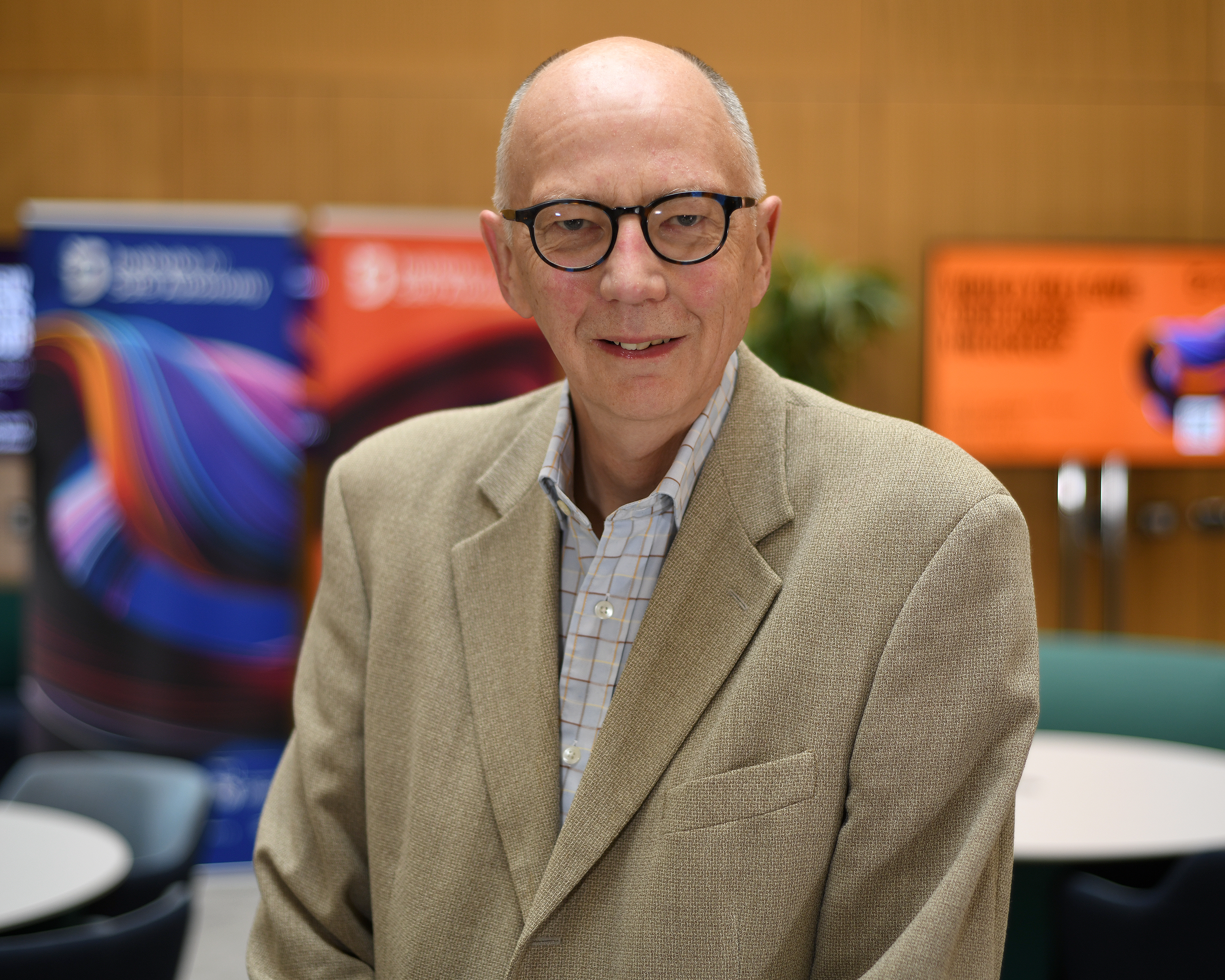
Professor John McDermid OBE FREng
Professor John McDermid OBE FREng became Professor of Software Engineering at the University of York in 1987 and the Lloyd’s Register Foundation Chair of Safety in January 2024. His research interests include systems, software, and safety engineering. He is Director of the Lloyd’s Register Foundation funded Centre for Assuring Autonomy (CfAA) which focuses on the safety of robotics and autonomous systems. The CfAA is developing assurance frameworks for autonomous systems and machine learning, either used as part of an autonomous system or stand-alone. These frameworks are being used across a range of sectors including healthcare and major transport modalities including aerospace, automotive, and maritime. He has advised government and industry on assurance and regulation of AI and autonomous systems, including contributing to the documents supporting the AI Summits in the UK, Korea and France. He became a Fellow of the Royal Academy of Engineering in 2002 and was awarded an OBE in 2010.
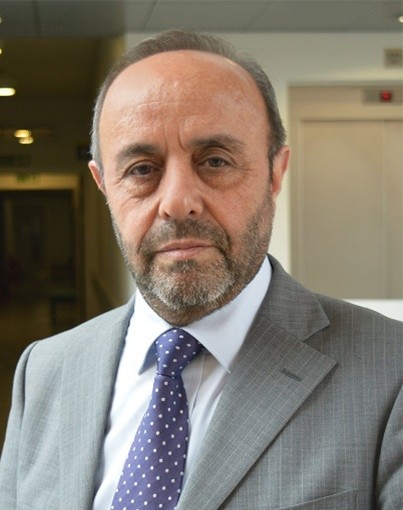
Professor Mohammad Osman Tokhi
Professor Tokhi received his BSc in Electrical Engineering from Kabul University, Afghanistan in 1978 and PhD degree from Heriot-Watt University, UK in 1988. He is a Chartered Engineer, Fellow of IET (Institution of Engineering and Technology), Senior Member of IEEE (Institute of Electronic and Electrical Engineering), Member of IIAV (International Institute of Acoustics and Vibration) and Member of CLAWAR (Climbing and Walking Robots) Association.
He has worked for industry and at various higher education establishments. He is currently Professor of Robotics and Control at the School of Engineering, London South Bank University, UK. His research interests include Active Noise and Vibration Control, Adaptive/intelligent Control, Soft-computing Modelling and Control of Dynamic Systems, and Assistive Robotics. He has published extensively and has completed numerous projects in these areas.
He is Editor-in-Chief of Journal of Low-Frequency Noise, Vibration and Active Control, and of Journal of Climbing and Walking Robots, Editor of book series on Service Robotics (published by World Scientific Publishing Company), Co-editor of book series on Mobile Service Robotics (published by Elsevier Publishing Company), member of Editorial Advisory/Editorial Board of Industrial Robot Journal, Artificial Intelligence and Technology, Mechanical System Dynamics, Sensors, and Modelling, Identification and Control. He has acted as Editor-in-Chief, Associate Editor, and member of editorial board of several other international journals.
He is Chair of CLAWAR Association, Chair of BSI (British Standards Institute) AMT10/1 Sub-Committee on Ethics of Robots and Autonomous Systems, Convenor of ISO technical committee TC299 (Robotics) working group WG2 – Service Robot Safety, Member of several working groups of ISO/TC299–Robotics Committee and of BSI AMT/010 Robotics Committee, Member of IFAC Technical Committees TC 3.1 (Computers for Control) and TC 3.2 (Computational Intelligence for Control).
Professor Gurvinder Singh Virk
Professor Gurvinder Singh Virk (PhD, DIC, BSc, CEng, FIET, FCIBSE, CMath, FIMA, SMIEEE) is Managing Director of Endoenergy Systems (with bases in UK and India) commercialising wearable assistive exoskeletons to support ageing society challenges globally. He has been Chief Scientist at HRG Huzhou Wuxing District Intelligent Robot Innovation Institute since March 2023 where he is finalising commercialisation plans for medical and non-medical exoskeleton products. Prof Virk holds a PhD in Control theory, Imperial College, University of London, UK. He is an international expert in robotics and control engineering with application to real-world engineering scenarios. He has produced around 400 publications, filed 6 patents, supervised 16 PhD/MPhils and led over 70 international funded projects (with research funding >£30M). His main scientific contributions are in theoretical and practical areas of data-based modelling of engineering applications, simulation and optimisation for control systems design, design and development of intelligent and advanced robots for new applications, control systems theory and its application via developing and implementing a variety of control strategies in realistic scenarios.
He is passionate about advancing real-world applications of engineering globally. His current interests are in exoskeleton robots for wellbeing, robot safety standardisation, robot modularity and inter-operability, social robotics and robot ethics all aimed at commercialisation of medical and non-medical exoskeletons for healthy ageing.
Prof Virk has held 13 Professorship positions in 7 countries, these include: 1) UK (Universities of Portsmouth Leeds, Sheffield, London Southbank, and Lincoln), 2) Sweden (University of Gävle and KTH Royal Institute of Technology), 3) India (IIT Ropar and UPES University), 4) New Zealand (Massey University), 5) China (Zhejiang University), 6) France (Université Pierre et Marie Curie, Paris), and 7) Germany (Fachochschule Südwestfalen, Soest). His previous commercial experience included Technical Director at InnotecUK, UK where he led R&D activities for realising commercially viable inspection robots for hazardous environments where mobility, climbing and manipulation capabilities were needed to carry out inspection tasks by the robot systems being developed.
Professor Virk is Trustee and Treasurer of the UK registered charity CLAWAR (Climbing and walking robots) having the mission to advance robotics globally for public benefit. For this he has been nominated as a UK robot standardisation expert by BSI, UK since 2005, and has led several international ISO/IEC robot standardisation activities on safety, performance, inter-operability with special attention on human-system collaboration and deployment of autonomy and AI features.
Prof Virk was also Coordinator of the euRobotics’ Topic Group on Standardisation in Europe as part the Horizon 2020 programme and beyond from 2011-2019. He has been actively networking and working with stakeholder organisations in Europe, China, South Korea, Japan, USA and India on linking international robot R&D with robot standardisation to encourage commercialisation and facilitate the creation of new robot markets.
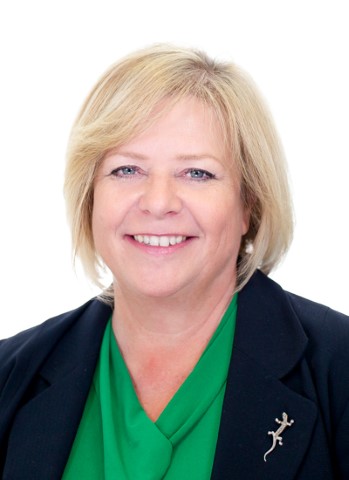
Dr Sarah Fletcher
Sarah is a Principal Research Fellow in the Centre for Robotics and Assembly at Cranfield University. With a background in social psychology (BA Hons) and industrial psychology (PhD) she has been conducting researching human-systems interaction for over 25 years across various industries including defence, aerospace and manufacturing. Her work has especially focused on the development of novel methods for the measurement and improvement of trust, satisfaction, performance and safety behaviours to enhance the design and integration of new technologies and processes. In 2012 she established the Industrial Psychology and Human Factors research group at Cranfield, specifically to meet growing needs for dedicated social science to support the manufacturing sector’s advancement and adoption of increasingly collaborative human-robot production systems. She leads the human analysis work in many UK and EU robotics research and innovation projects and provides guidance to industry and organisations on human-centred / workforce issues. Sarah is also an active participant in national and international standardisation liaising between committees addressing robotics (ISO TC299; BSI AMT/10) and ergonomics (ISO TC159; BSI PH/9).
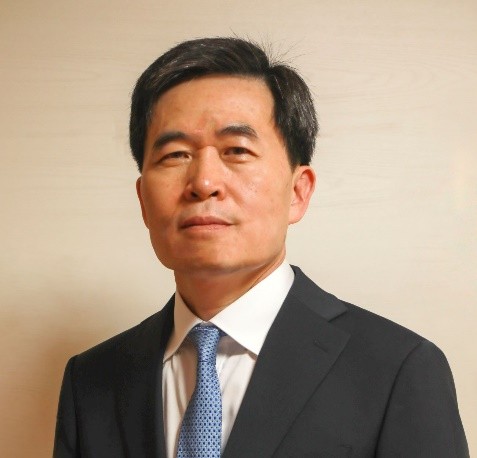
Professor Seungbin Moon
Professor Seungbin Moon is a Professor in the Department of Computer Engineering at Sejong University, Seoul, Korea. He received his Ph.D. in Electrical Engineering from Purdue University in 1993, with a dissertation on optimal trajectories for cooperative manipulation by multiple robots. He earned his M.S.E. in Electrical Engineering with a concentration in control and robotics from the University of Michigan, Ann Arbor, and his B.S.E. in Electrical Engineering from Myoung Ji University, Korea. Prior to joining academia, he worked as a Principal Researcher at Samsung Electronics, where he contributed to the development of industrial robots and later directed robotic business initiatives.
At Sejong University, Professor Moon has served in a range of academic leadership roles, including Senior Vice President for International Affairs, Dean of the Graduate School, and Dean of International Affairs. His research interests span face recognition, robotic computer vision, mobile robot navigation, and cooperative manipulation of multiple manipulators. He has made sustained contributions to both fundamental research and applied robotics, bridging academic innovation and industrial practice.
Professor Moon is internationally recognized for his leadership in robotics standardization. He has played a central role in ISO and IEC standardization activities for robotics and robotic devices, serving as Convenor of ISO TC 184/SC 2/WG 8 on service robots for over a decade and, more recently, as Convenor of ISO TC 299/WG 1 on vocabulary and characteristics. He has acted as project leader for several major international robotics standards and continues to contribute to global and national standardization bodies, including ISO, IEC, and the Korean Industrial Standards committees. In addition, he holds leadership and trustee roles in multiple professional organizations related to robotics, safety, and standards certification.

Philip Lance
Having originally graduated in Electronic and Electrical Engineering from the University of Leeds, Philip became interested in user-centered design and would go onto complete a PhD in design in assistive technology from Brunel University. Philip is now a Senior Human Factors Engineer focusing on medical devices. Having worked as a consultant, and in industry, Philip has helped develop the user interfaces of many products and medical devices such as invasive surgical equipment; diagnostic equipment; digital connected devices; wearable devices; and drug delivery devices. His particular interest is with the user interface of robots, and he has been extensively involved in the development of the user interfaces of service robots and medical robots.
Philip’s interest in robots extends to the development of standards in robotics and he is a member of the BSI (British Standards Institute) AMT/010 Robotics Committee and AMT10/1 Sub-Committee on Ethics of Robots and Autonomous Systems. As a UK expert Philip is a member of the International Organization for Standardization (ISO) technical committee ISO/TC299 (Robotics). As a member of ISO/TC299 Philip is also a member of ISO/TC299’s Chair’s Advisory Group (CAG) and is the Convenor for ISO/TC299 Robotics: Working Group 6 (WG6) Modularity for service robots. As the Convenor of WG6, Philip now oversees multiple project teams developing a family of international standards on modularity for robots, including standards on modules related to service robots, surgical robots and most recently humanoid robots.
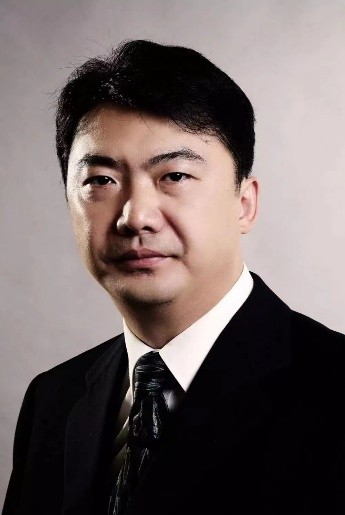
Jason Wang
Jason Wang, 57, got his master’s degree from Electrical Engineering Dept., Tsinghua Univ. (THU) in 1993. He served as a senior lecturer in THU for 5 years, and then moved to industry in 1998. During his career experience of more than 30 years, he founded several successful companies in automation, robotics as well as innovation services, such as Tsino-dynatron Electrical Tech Co., leading servo drive provider for robotics and CNC machines; Smart Factory Institute, diagnosis and service provider for life-cycle management of smart factory; and IMA Innocloud, offering innovation training, services, and innovation management software, etc.
Jason Wang is very active in international standardization activities and non-profit technical organization. He is senior expert in several technical committees of China National Standardization Technology Committees (SAC), ISO TC299 and IEC TC44, with working areas of robotics, automation control system, predictive maintenance, IoT etc. He co-founded China Sci-tech Automation Alliance (CSAA) in 2011, and has been successfully leading the organization to be one of most dynamic and well-known alliance in smart manufacturing and advanced automation areas. Jason Wang has rich experiences and in-depth insights to advanced manufacturing/Industry 4.0/ Industrial Internet domestically and worldwide. He is also very active in international collaboration and technical transfer. In year 2017, he founded China-Italy Joint Lab on Advanced Manufacturing (CILAM), which is now one of the most successful bridges of the kind between two counties.
Jason Wang has been working in innovation training and education area for over 10 years. Through partnership with top innovation methodology masters around the world, he is pursuing development of innovation driven integrated management framework for enterprises and has been teaching innovation related courses to master as well as PhD students in Tsinghua university since 2017.
Previous webinars
GECR 2025 - Second Edition Launch
GECR 2025 - Second Edition Launch - July 2025
The Global Engineering Capability Review 2025 (GECR) is the second iteration of a global study published by Engineering X to strengthen the evidence base for both understanding and improving engineering capacity and safety worldwide. Grounded in systems thinking, the Review highlights the role of different stakeholders and the complex interdependencies that underpin safe and sustainable engineering outcomes.
The review was launched on 24 July at a live online event featuring Professor Jarka Glassey FREng, Dr Tim Slingsby of Lloyd’s Register Foundation, and other distinguished speakers from industry, government, and the engineering community. The panel shared reflections on the approach taken by the GECR, and how to use it to help policymakers, companies and individuals work together to engineer a safer world.
Chair
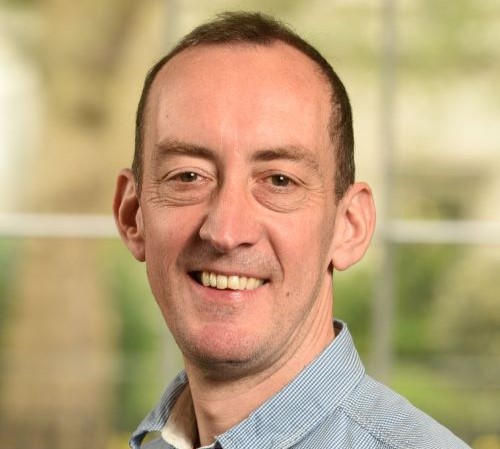
Dr Rhys Morgan
Dr Rhys Morgan is the Director of Education and Skills, Royal Academy of Engineering
Speakers
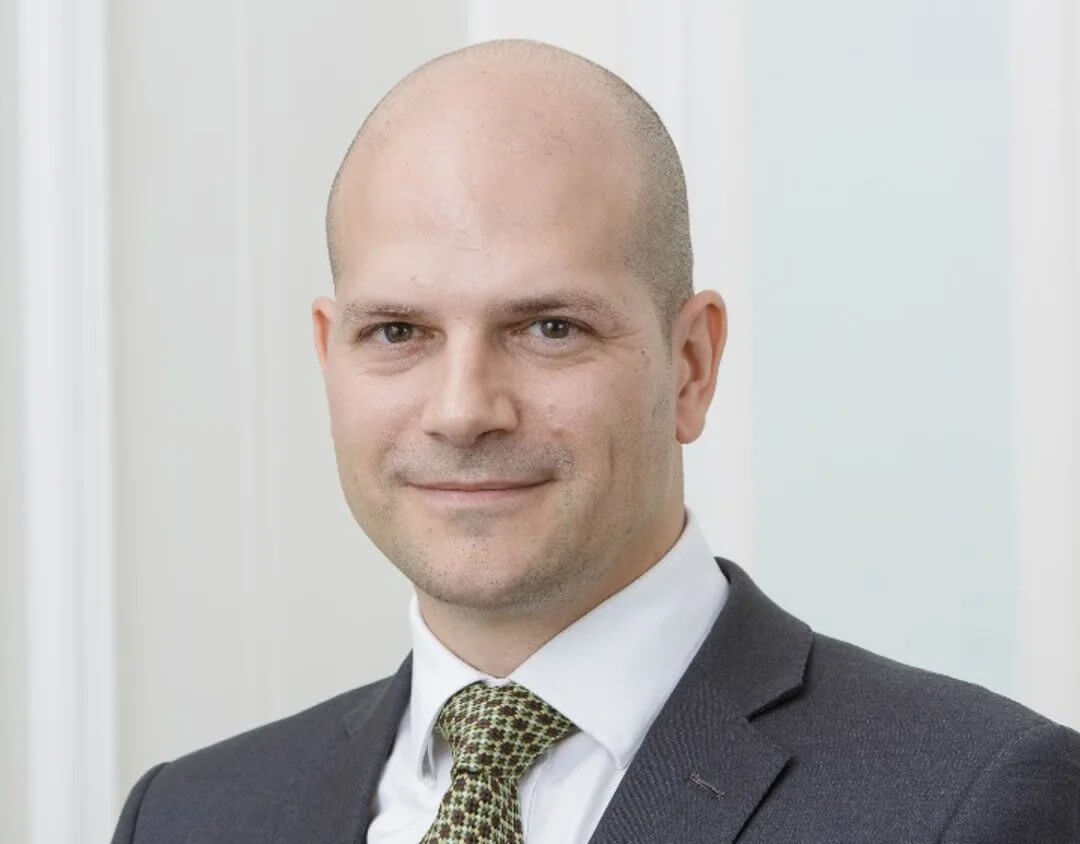
Dr Tim Slingsby
Dr Tim Slingsby is Director of Skills and Education at the Lloyd’s Register Foundation leading their substantial portfolio of programming in the UK and globally on improving safety skills. Prior to working with the Foundation, Tim was with the British Council and several other leading organisations working in the UK and on international collaboration in public engagement with science. He has also been a researcher in industry and academia following his PhD in Molecular Genetics from the University of Leicester. He is also serving as the Chair of Maritime Charities Group.
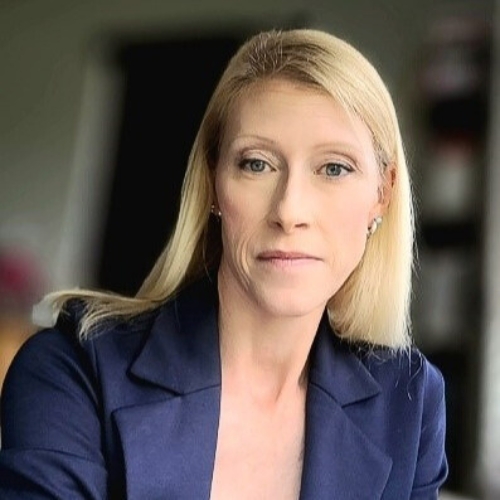
Dr Karen Campbell
Dr Campbell works with clients on their data driven thought leadership initiatives around innovation, technology and entrepreneurship. This work ranges from creating indexes, KPI and benchmarking metrics, forecasting and providing scenario analysis. She was also the point of contact for SPGMI’s partnership with the Rockefeller Foundation’s 100 Resilient Cities Initiative and continues to work with cities on benchmarking their economic resilience and developing their economic resilience strategies. She was also a member on the Zurich Alliance Measuring Flood Resilience Working Group. Just prior to joining SPGMI, Karen was a Senior Economist on the World Economic Forum’s Risk Response Network team and a Senior Research Fellow at Wharton’s Risk Management and Decision Process Center. She is a Certified Management Accountant (CMA) and has been certified in Economic Measurement by National Association of Business Economists. Her research has been published in The Journal of International Trade and Economics, Journal of Business Ethics, Development Policy Review, Natural Hazards & Earth System Sciences, Scientific Reports, as well as in books and citied in the press.

Professor Jarka Glassey FREng
Professor Jarmila (Jarka) Glassey FREng and Chair of the Skills for Safety programme board Professor of Chemical Engineering Education, Newcastle University Professor Jarmila (Jarka) Glassey is a highly accomplished engineer who has contributed very significantly to bio-chemical research and teaching, with demonstrated translation of her research into industrial application. Jarka has contributed substantially to the development of the chemical engineering faculty at Newcastle University. Jarka has also played a major role with the Institution of Chemical Engineers as the immediate past Vice President of the Learned Society, Executive officer of the Education and Accreditation Forum and the Editor-in-Chief of Education for Chemical Engineers, having led the Institution's journal to its first Impact Factor and a top three position in engineering education. Jarka has played a major international role in furthering the influence of UK biochemical engineering education.
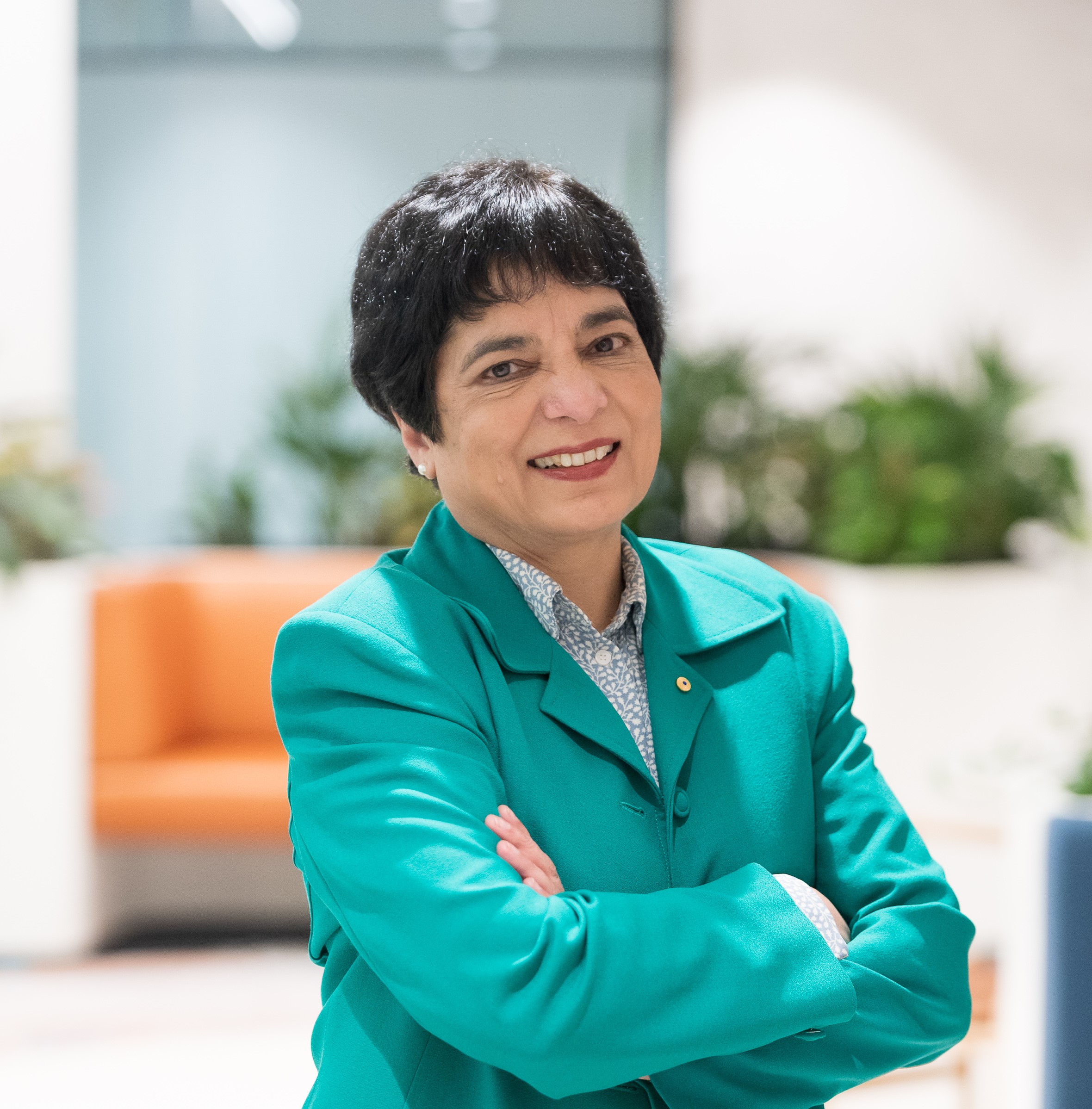
Dr Marlene Kanga AO FTSE FREng
Dr Marlene Kanga AO FTSE FREng (UK) FAA Hon.FIE (Aust) Hon. FIChemE (UK) Dr. Marlene Kanga was President of the World Federation of Engineering Organisations (WFEO) in 2017-2019, the peak body for engineering institutions internationally representing some 100 engineering institutions and more than 30 million engineers. A chemical engineer, she was the 2013 National President of Engineers Australia. She is a Fellow of the Academies of Engineering and Science in Australia, an international Fellow of the Royal Academy of Engineering and a Foreign Fellow of the ASEAN Academy of Engineering and Technology. She is an Officer of the Order of Australia, a national honor, “For distinguished service to engineering, particularly as a global leader and role model to women, to professional organisations, and to business. “ During her term as WFEO President, Dr Kanga led the initiative for the member states at UNESCO to declare 4th March, the founding Day of WFEO, as World Engineering Day, in November 2019.

Dr Adam Cooper
Dr Adam C Cooper is an Associate Professor in Engineering Policy. His background is in applied interdisciplinary social science rooted in 10 years direct experience of the UK Civil Service. His research focus is on 'engineering policy': both engineering for policy (the use of technical advice for - mainly energy - policy), and policy for engineering, which includes developing new field methods for socio-technical research, all with a view to making engineering better at making the world better. Adam has been at UCL STEaPP since it's birth in 2013. Prior to joining UCL he was the Head of Social Science Engagement at the UK government Department of Energy and Climate Change from 2011. Adam holds a PhD in Cognitive Neuropsychology from Birmingham, an MSc in Cognitive Science and Natural Language from Edinburgh and a BSc in Psychology from Stirling.
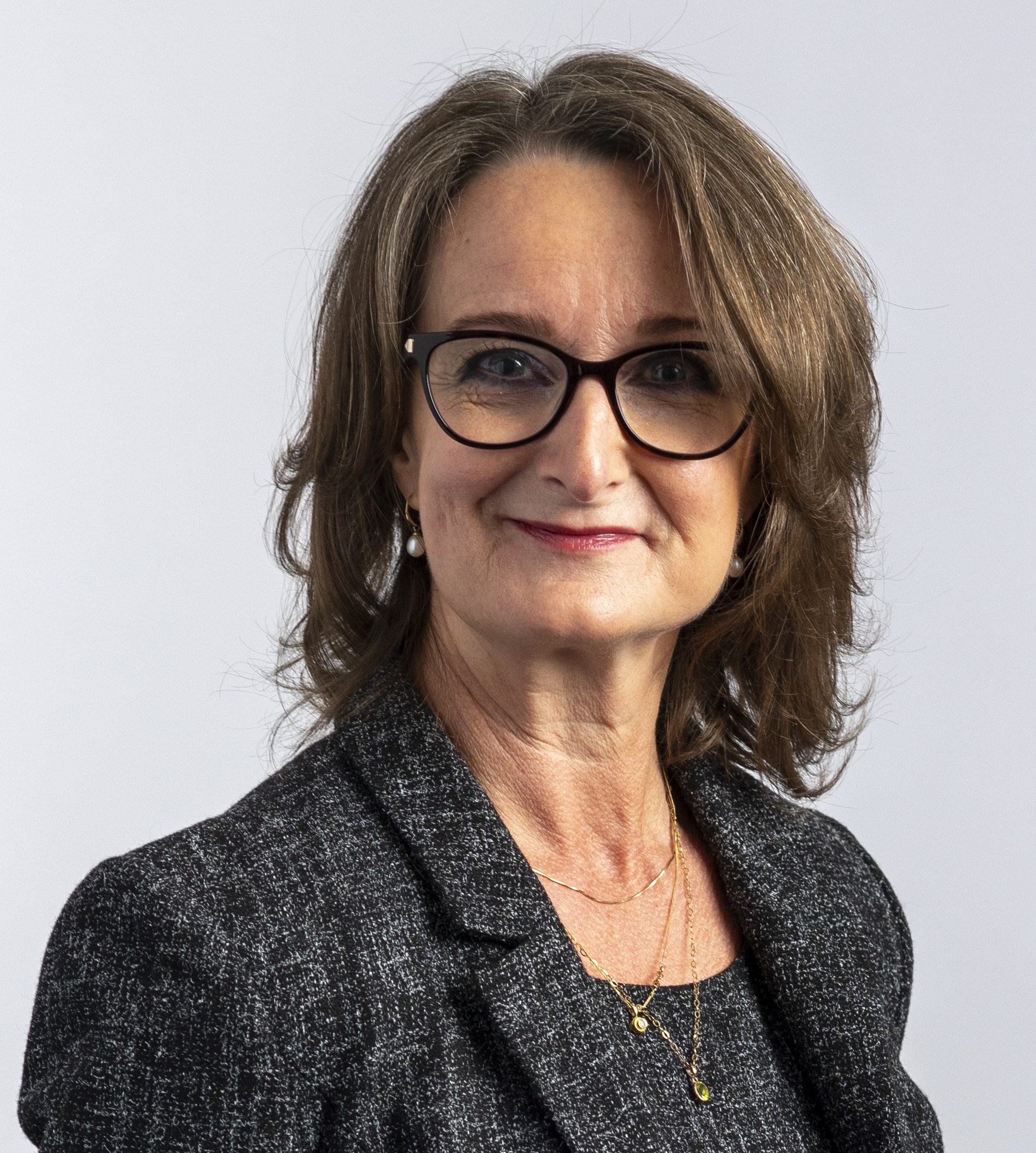
Professor Denise Bower OBE
Denise is a senior executive at global engineering, management, and development consultancy Mott MacDonald, with significant business and academic experience in major infrastructure projects, and a recognised expert in this area. Mott MacDonald has almost 20,000 people worldwide advising on, designing, and delivering projects across transport, water, energy, and the built environment. She is responsible for Mott MacDonald’s industry profile and positioning, corporate reputation, client, and partner relationships and thought leadership, with a particular focus on Mott MacDonald’s commitments on global issues Denise is well known in industry for her past roles as the Executive Director of the Major Projects Association, a former member of the UK Infrastructure Client Group and as a Professor in the School of Civil Engineering at the University of Leeds. She is a Fellow of the Institution of Civil Engineers and appointed to the Order of the British Empire for her services to the Engineering and Construction Industries.
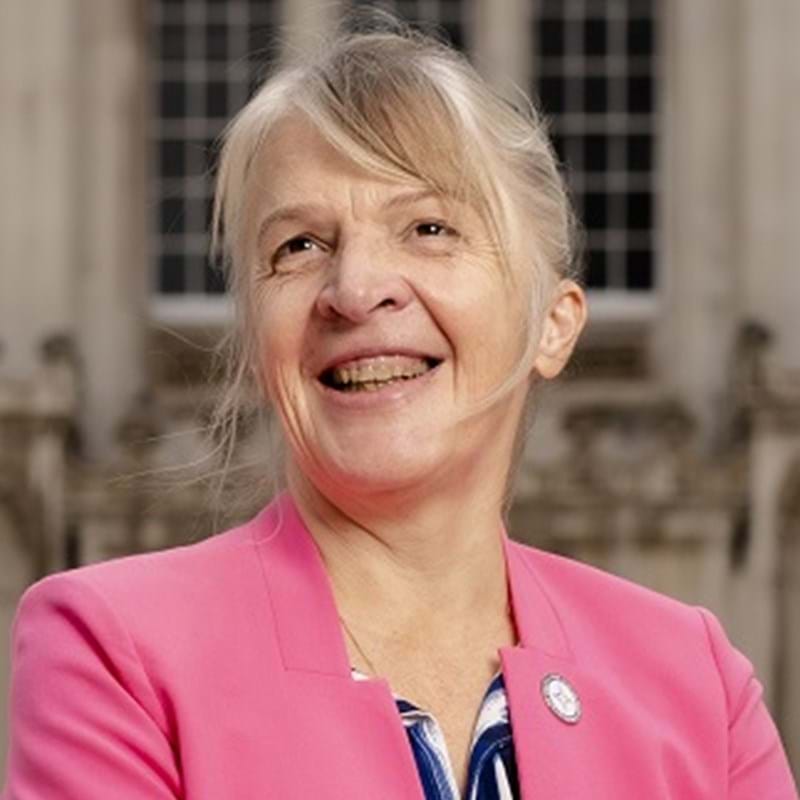
Yvonne Baker OBE
Following a degree in chemical engineering from the University of Birmingham, UK, Yvonne worked as an engineer in manufacturing before moving into management consultancy and studying for an MBA. In 2002, Yvonne moved into the science, technology, engineering and mathematics (STEM) sector to establish the Science and Engineering (now STEM) Ambassadors volunteering programme. She joined STEM Learning as Chief Executive in 2010, significantly growing the organisation’s reach and impact to become the UK’s largest provider of STEM support. An Engineering Council Trustee from 2010 to 2016, Yvonne also previously served as Co-Chair of the Institution of Engineering and Technology's Education and Skills Panel. Yvonne was privileged to give the Engineering and Physical Sciences (EPS) Distinguished Lecture at the University of Birmingham in 2020 and was awarded the OBE (Officer of the Most Excellent Order of the British Empire) in the late Queen's New Year 2022 Honours List for services to STEM education.
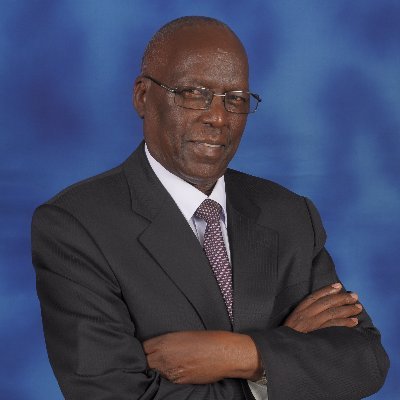
Eng. Erastus Mwongera
Eng. Erastus Mwongera is a registered consulting engineer with the Board and a Fellow of the Institution of Engineers of Kenya. He holds a Bachelor’s degree (Civil Engineering) from the University of Swansea, United Kingdom
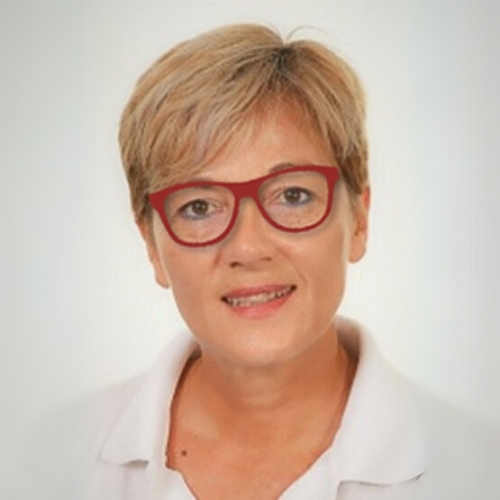
Associate Professor Karin Wolff
Associate Professor Karin Wolff has been in engineering education as an academic lecturer, researcher and mentor since 2008. Her doctoral research (University of Cape Town) looked at the relationship between mathematics, physics and logic in complex engineering problem solving in industry. She draws primarily on sociology to analyse and design knowledge- and knower-building practices that enable the holistic development of engineering graduates. This work has been extended into academic staff development across higher education institutions in South Africa as part of a number of internationally collaborative projects. She is the Teaching & Learning Advisor in the Faculty of Engineering, Stellenbosch University, and current president of the South African Society for Engineering Education (www.sasee.org.za). She is a member of the core team of the Royal Academy of Engineering-funded Innovative Engineering Curriculum project, as well as the Engineering Education Research Network (Africa).
Safety standards and e Mobility
How safety standards support e Mobility innovation - October 2024
This webinar explores the role of safety standards in protecting e-mobility innovation as well as the importance of international standards harmonisation and how to engage in the standards development process. Join presenters Dr Denice Durrant and Mark Ramlochan of UL Standards & Engagement as they discuss safety standards and the regulations of these standards, along with panellists Dersu Figueroa Zárate of HUBIQ Energía e Innovación Tecnológica and Chukwuemeka Eze of Revive Earth as they provide international perspectives.
Chair
Dr Rhys Morgan
Dr Rhys Morgan is the Director of Education and Skills, Royal Academy of Engineering
Speakers
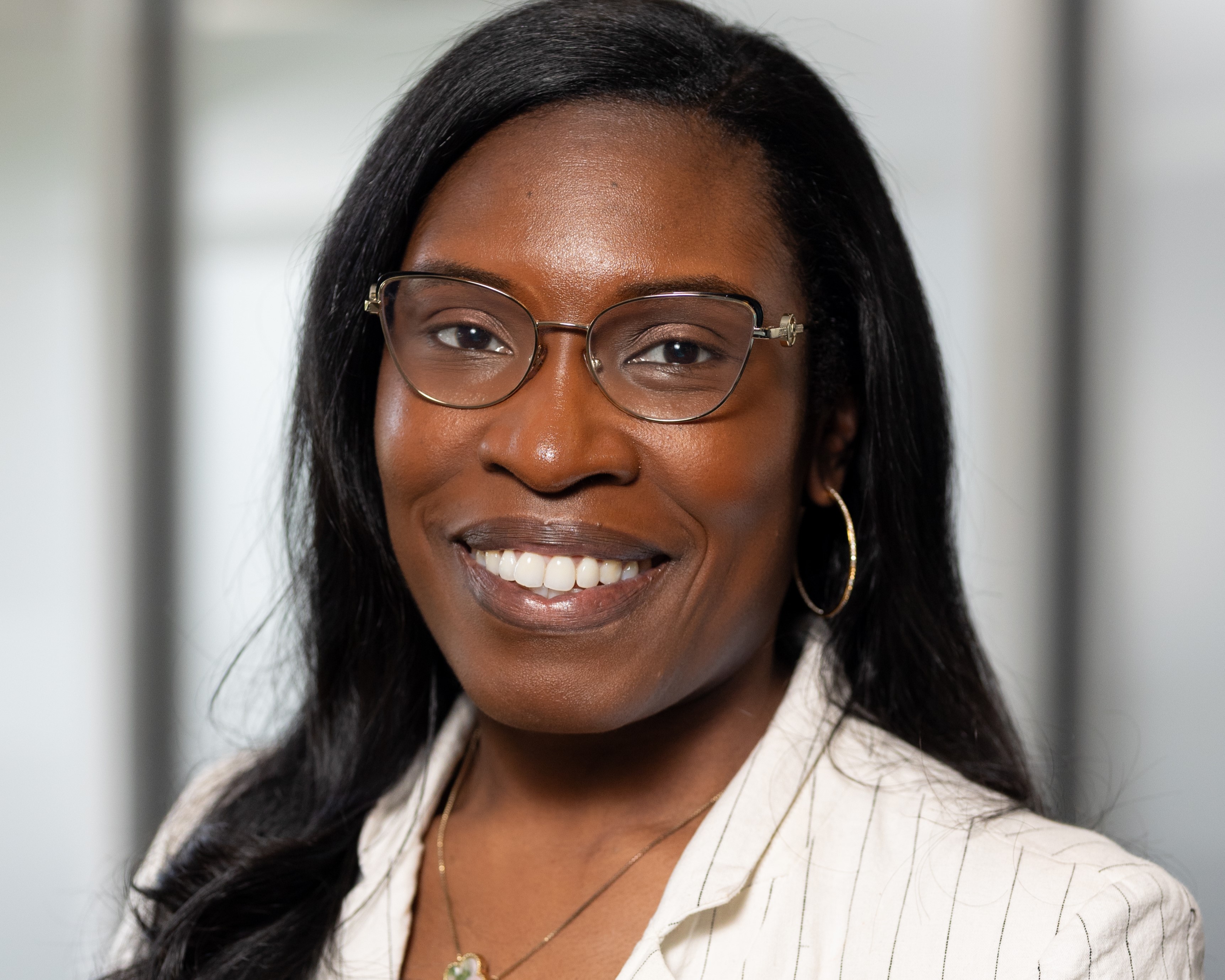
Dr Denice Durrant
Dr. Denice Durrant is the director of data science and standards engineering at UL Standards & Engagement. She is responsible for leading the advancement of scientific and engineering rigor in the development and revisions to UL standards and standards initiatives. Denice also manages a team of diverse engineers and scientists responsible for supporting the integration and advancement of scientific and engineering topics, including emerging technologies, across ULSE’s standards portfolio.
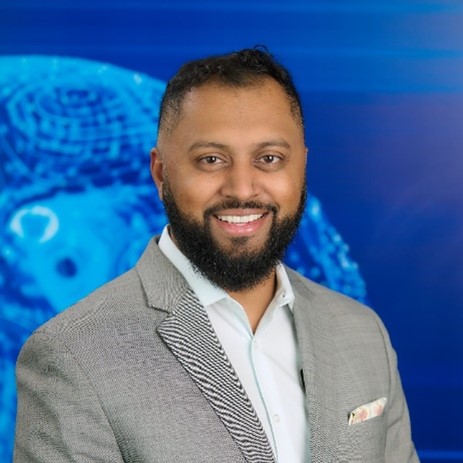
Mark Ramlochan
As Senior Manager of Standards Planning at UL Standards & Engagement, Mark is responsible for leading the identification of new opportunities for impactful standards development and for overseeing market intelligence and technical trend monitoring. Joining ULSE in 2008, he has served in several progressive roles including Chair of the UL Innovation Lab, where his team led the creation of standards development solutions leveraging AI and process automation.
Panellists

Dersu Figueroa Zárate
Dersu Figueroa Zárate is the Director of HUBIQ Energía e Innovación Tecnológica, a Mexican NGO dedicated to promoting renewable energy adoption, sustainable mobility, and climate action. With experience spanning the private sector, a public R&D center specializing in environmental engineering, and the civil society sector. He holds a master’s degree in Intellectual Property Management from Queen Mary University. He led the Open Innovation Platform project aimed at developing technological capabilities for sustainable micro-electro mobility, funded by the Engineering X programme of the Royal Academy of Engineering.

Chukwuemeka Eze
Chukwuemeka Eze is an electrical engineer specialising in embedded systems and circuit design. He is Founder and CEO of Revive Earth Limited, a company looking to transform petrol-powered vehicles into eco-friendly battery electric vehicles through the development of the Revive Kit, a modular e-mobility service used to convert gas-powered three-wheeled motorbikes to run on rechargeable lithium-ion batteries. He was awarded one of the Royal Academy of Engineering Alumni Africa Prize Business Development Grants.
Embracing a Systems Mindset
Embrace a systems mindset to tackle safety challenges in complex systems - February 2024
This engaging webinar will dive into the transformative power of shifting mindsets to address safety challenges within complex systems. How to learn from failures for a culture of safety resilience, and why engineers need to apply different tools to produce safer outcomes. Listen to experts and practitioners in the field as they share insights, real-world examples, and practical tools to foster a collective mindset shift for safer and resilient adaptive systems.
Speakers
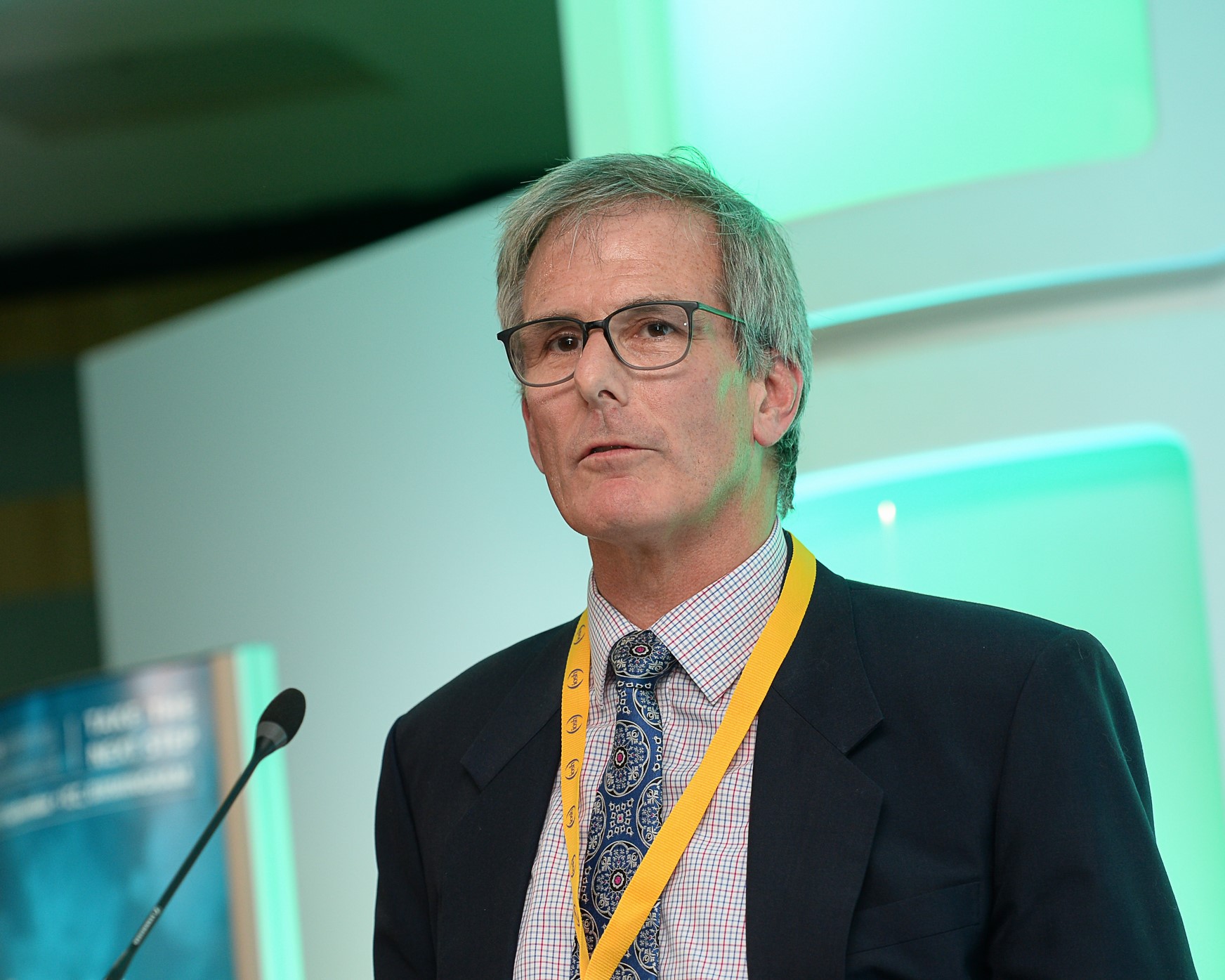
Colin Pilbeam
Colin Pilbeam is Professor of Organizational Safety at Cranfield University and holds doctorates in both natural and social sciences. His research on safety leadership and the impact of outsourcing on organizational safety has been funded by IOSH. Lloyds Register Foundation funded research on designing safety interventions with context in mind. Most recently the Academy has funded work on learning from failures. Through his research he has worked with a range of large organizations in different sectors, including Network Rail, Laing O’Rourke, Siemens, GSK and Kuhne + Nagel. He publishes regularly in leading safety journals and presents at international conferences.
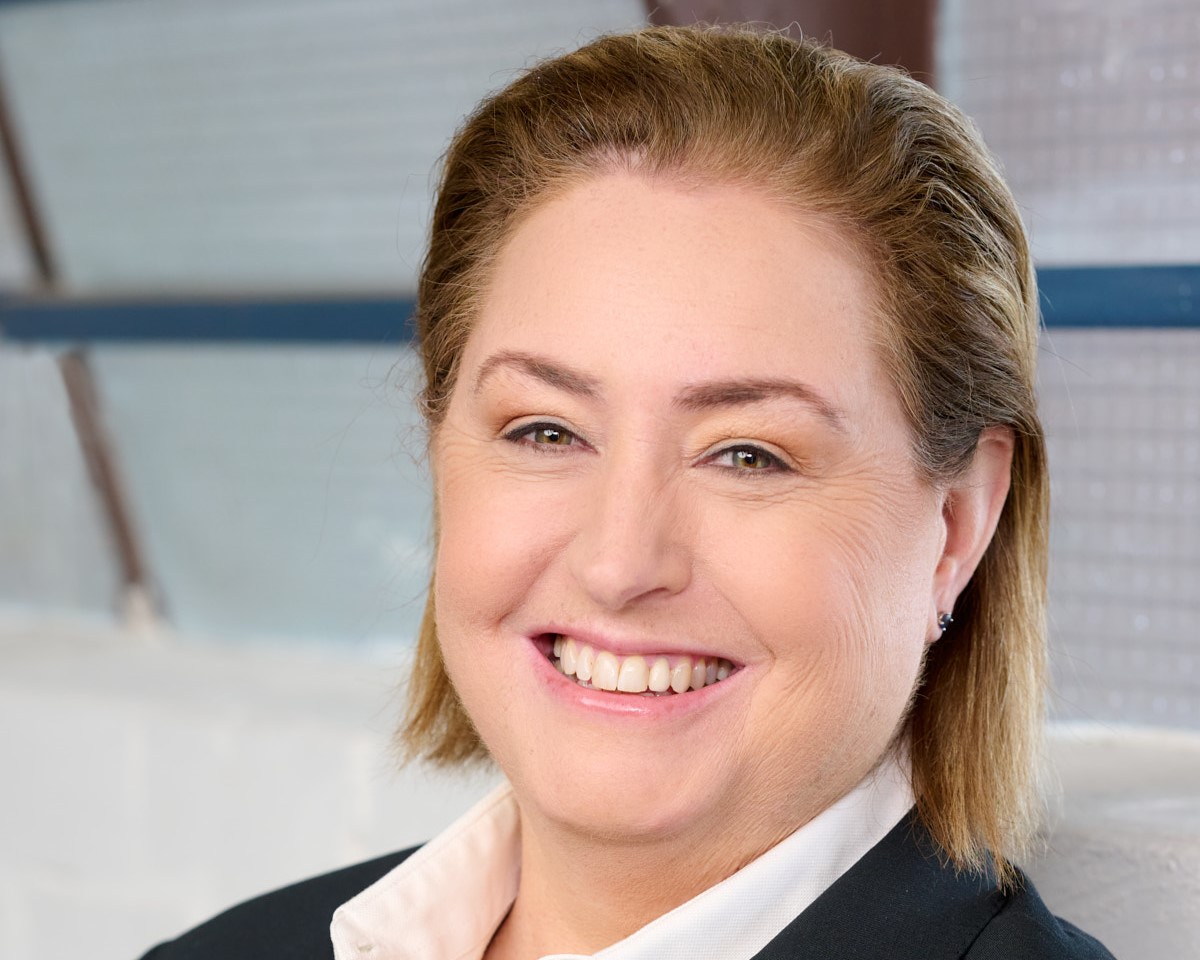
Trish Kerrin
Trish Kerrin is an award-winning international expert and keynote speaker in process safety and the inaugural director of the IChemE Safety Centre. She leads a team who help organisations share and learn in process safety. Trish leverages off her years of engineering and varied leadership experience to help organisations improve their process safety outcomes. She has represented industry to many government bodies and sat on boards. She is a Chartered Engineer, registered Professional Process Safety Engineer, Fellow of IChemE and Engineers Australia and a Senior Member of AIChE. Trish also holds a diploma in OHS, a Master of Leadership and is a Graduate of the Australian Institute of Company Directors. Her expertise has been recognised with the John A Brodie Medal (2015), the Trevor Kletz Merit Award (2018) and Women in Safety Network’s Inaugural Leader of the Year (2022). She has been named one of the “Superstars of STEM” for 2023/24 by Science and Technology Australia.
Emma Houiellebecq
Emma Houiellebecq is a PhD Candidate at the University of Cambridge, Department of Engineering. Her doctoral research explores how systems thinking approaches can enable more strategic decision-making in protracted humanitarian crises, with the ultimate aim of strengthening the resilience of essential services. Prior to her PhD, Emma worked as an engineer and project manager with the International Committee of the Red Cross (ICRC) and other NGOs primarily in Gaza, South Sudan, and Uganda. Emma completed an MPhil in Engineering for Sustainable Development and is a 2016 and 2021 Gates Cambridge Scholar.
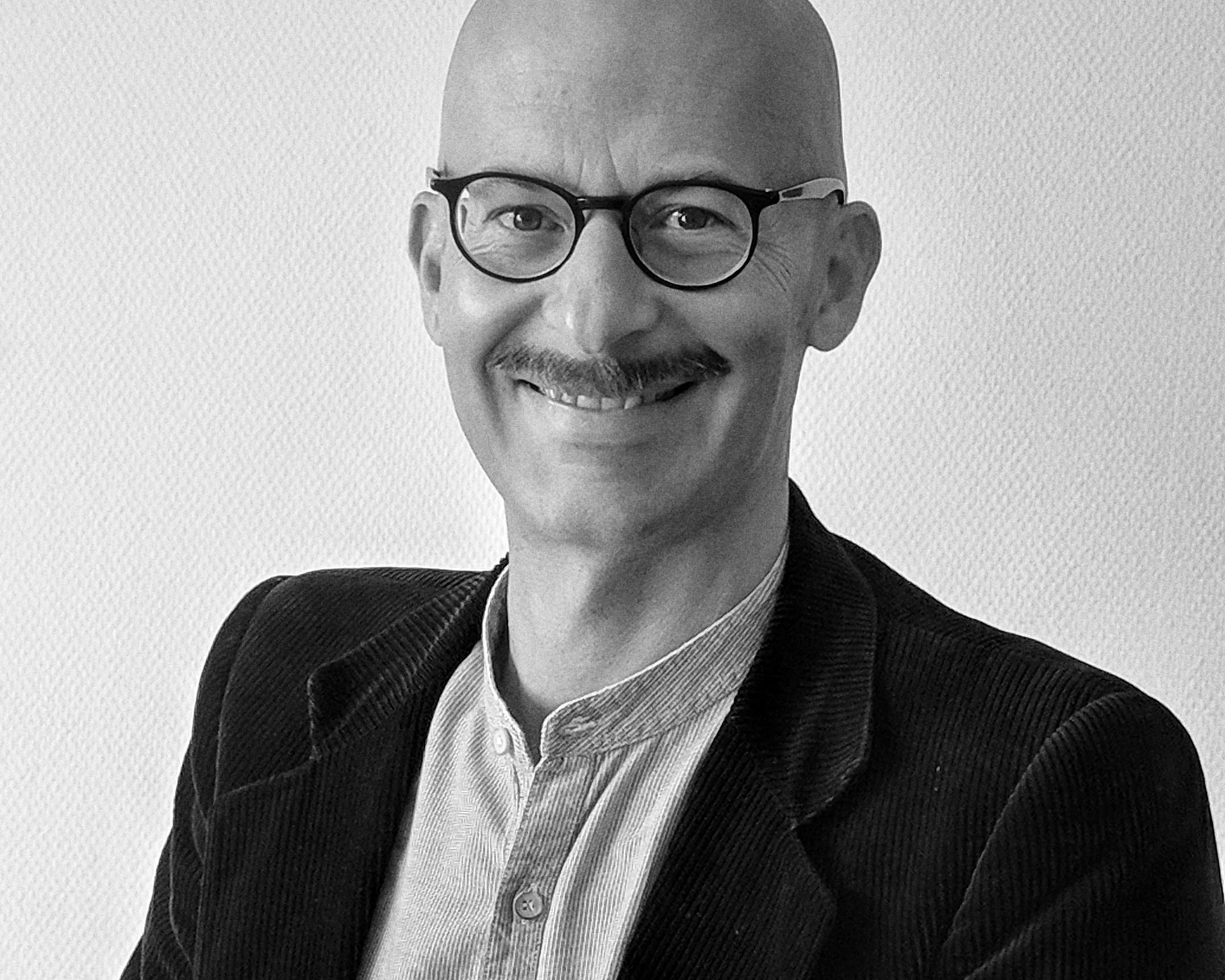
Federico Sittaro
Federico Sittaro is the Deputy Head of Analysis and Evidence at the International Committee of the Red Cross (ICRC), based in Geneva. Before joining ICRC in 2014, Federico worked with Medicines Sans Frontiers (MSF) contributing to WASH and public health engineering in natural and manmade crises across 19 countries. In ICRC, Federico first focused on how hospitals in resource-limited settings cope with unforeseen, violent events. He later shifted his focus towards urban environments, specifically addressing the intricacies of planning humanitarian interventions in complex settings, emphasizing safety and resilience integration.
Disaster Preparedness
Disaster Preparedness - July 2023
This presentation explored innovative initiatives in humanitarian engineering, and how increased skills of in-country engineer involvement in disaster preparedness, response and recovery can enhance the safety and resilience of affected communities.
Speakers
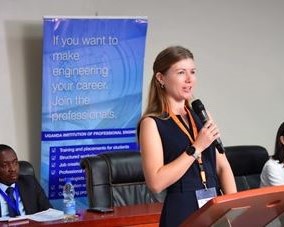
Katie Bitten
Katie is a humanitarian programmes manager, specialising in capacity development, climate change and humanitarian engineering. She leads the RedR UK Technical Hub, which focuses on developing and enhancing the critical skills, knowledge and resources needed for effective humanitarian response globally. Katie has coordinated projects and programmes across sub-Saharan Africa, the Middle East, Eastern Europe and Central America, and is currently managing several of the projects in discussion during the webinar: the humanitarian skills for engineers programme in Uganda; damage assessments and repair programmes in Syria, Türkiye and Ukraine; and, a climate change adaptation and disaster risk reduction programme in East Africa.

Dr Dorothy Okello
Dorothy is Dean, School of Engineering, and Associate Professor, Department of Electrical and Computer Engineering at the College of Engineering, Design, Art and Technology (CEDAT), Makerere University. Within the department, she is a Researcher with netLabs!UG, a research centre whose model is to strive for a balanced critical mass of research, innovation and commercialisation in communications and networking. She is also Director of Innovation at ResilientAfrica Network (RAN), Makerere University School of Public Health. Supported by USAID, RAN seeks to identify and scale innovative solutions that will strengthen the resilience of African communities. Dorothy is a Fellow of the Uganda National Academy of Sciences (FUNAS).
Kuzma Kolesnyk
Kuzma Kolesnyk is a humanitarian and damage assessment specialist from Ukraine. He is currently working as a case manager for the Polish NGO HumanDoc, supporting Ukrainian refugees. His primarily specialisation is in the design and production of metal constructions for buildings and bridges, and he holds a Masters degree in welding construction production. He supported Ukrainian NGOs in the assessment of the buildings damaged by war in the villages in Donetsk region in 2016 and 2018, and is currently working with RedR UK on their damage assessments and repair training in Ukraine
Alaa Albakour
Alaa Albakour works for Violet, a humanitarian engineering organisation working in North West Syria, partnering with RedR UK on earthquake response.
Process safety
Process safety: management systems for industrial sites - April 2023
The presentation provided an overview of the most applicable frameworks by highlighting key findings and learning points of a case study where many of the elements of the safety management system failed. Furthermore, it provided some tips as to what good system, and good implementation, looks like; that is addressing engineering skills for safety challenges as part of the Engineering X Engineering Skills Where They Are Most Needed (ESMN) programme.
Speakers

Dr Zsuzsanna Gyenes
Dr Zsuzsanna Gyenes is a Senior Process Safety Expert with extensive experience in training CEO’s of high hazard industrial sites on Process Safety Leadership and Culture, implementing tools and overseeing Process Safety Management systems for industrial sites, reviewing safety reports, advising on risk reduction and performing on-site inspections. Currently being involved in Disaster Risk Knowledge Management, resilience goals and building scenarios for multi-hazard risk assessments. Proven track record of developing guidance documents on Lead Process Safety Metrics, speaking at international conferences and running technical symposiums worldwide. Extensive knowledge of global process safety standards and practices gained working with the world’s leading chemical and oil and gas companies across the UK, US, Europe, the Middle East and Australia.
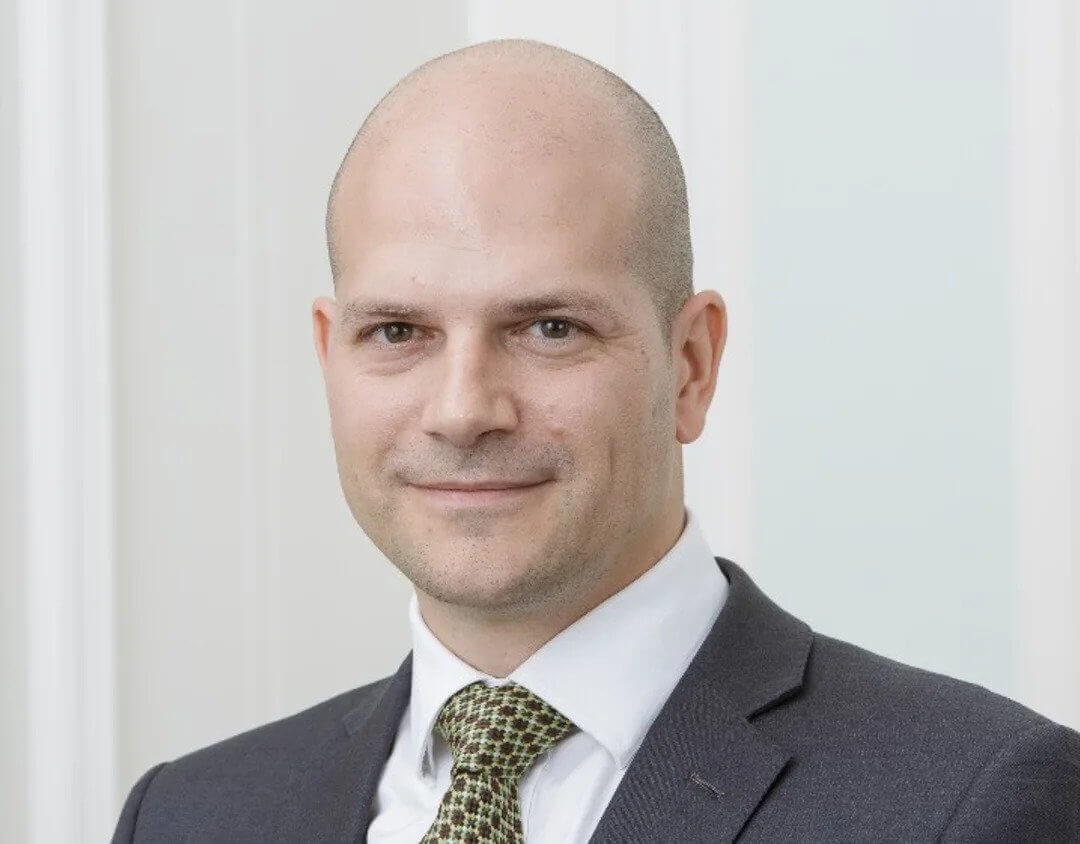
Dr Tim Slingsby
Dr Tim Slingsby is Director of Skills and Education at the Lloyd’s Register Foundation leading their substantial portfolio of programming in the UK and globally on improving safety skills. Prior to working with the Foundation, Tim was with the British Council and several other leading organisations working in the UK and on international collaboration in public engagement with science. He has also been a researcher in industry and academia following his PhD in Molecular Genetics from the University of Leicester. He is also serving as the Chair of Maritime Charities Group.

Greg Lymar
Greg is a highly skilled process safety professional with over eight years of experience working in high hazard industries such as oil refining, power generation, gas processing, and chemicals. He possesses a strong technical and practical knowledge of process and functional safety management principles and has demonstrated this in management and senior roles. Greg is a certified Functional Safety Engineer and a member of the Concawe Safety Management Group and the Energy Institute Hazardous Area Classification Working Group. He is also an IChemE Human Factors in Health and Safety award recipient, a former Vice-Chairman of the Tyneside IChemE Members Group, and an active STEM ambassador who frequently participates in industry events.
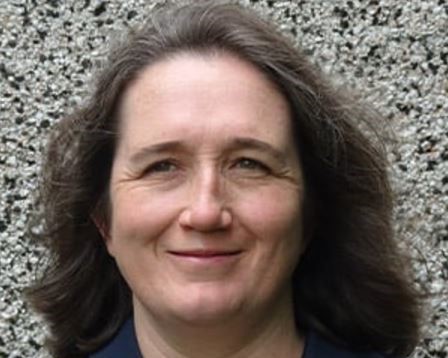
Helen Conlin
Helen is an experienced chartered chemical engineer, Fellow of IChemE and IChemE registered safety professional, with over 25 years of experience in regulation, industry, and consultancy. She has expertise in sociotechnical systems approaches and their practical application to improve performance, reduce risk, and solve problems. Helen has supported high and medium hazard facilities across various sectors, including oil and gas, chemicals, power generation, and nuclear. Currently, as the Head of Health, Safety, Security and Environment at Stanlow Terminals Ltd, she provides leadership in HSSE, advising the company as it transitions from owner to operator and plays a role in leading the UK's energy transition.
GECR insights 2023
GECR insights 2023 - October 2023
This webinar presented the index framework and provided an overview of the methodological approach and a first look at the early findings from the research. The S&P Global research team demonstrated how these data could better inform decision-makers across stakeholder types to promote best practices and identify areas of opportunity.
Speakers
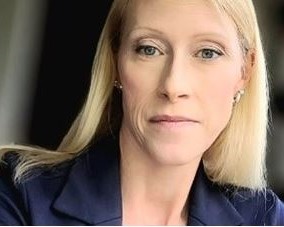
Dr Karen Campbell
Dr Campbell works with clients on their data driven thought leadership initiatives around innovation, technology and entrepreneurship. This work ranges from creating indexes, KPI and benchmarking metrics, forecasting and providing scenario analysis. She was also the point of contact for SPGMI’s partnership with the Rockefeller Foundation’s 100 Resilient Cities Initiative and continues to work with cities on benchmarking their economic resilience and developing their economic resilience strategies. She was also a member on the Zurich Alliance Measuring Flood Resilience Working Group. Just prior to joining SPGMI, Karen was a Senior Economist on the World Economic Forum’s Risk Response Network team and a Senior Research Fellow at Wharton’s Risk Management and Decision Process Center. She is a Certified Management Accountant (CMA) and has been certified in Economic Measurement by National Association of Business Economists. Her research has been published in The Journal of International Trade and Economics, Journal of Business Ethics, Development Policy Review, Natural Hazards & Earth System Sciences, Scientific Reports, as well as in books and citied in the press.
Dr Tim Slingsby
Dr Tim Slingsby is Director of Skills and Education at the Lloyd’s Register Foundation leading their substantial portfolio of programming in the UK and globally on improving safety skills. Prior to working with the Foundation, Tim was with the British Council and several other leading organisations working in the UK and on international collaboration in public engagement with science. He has also been a researcher in industry and academia following his PhD in Molecular Genetics from the University of Leicester. He is also serving as the Chair of Maritime Charities Group.

Cassandra Pagan
Cassandra is a principal analyst in the Scenarios and Modeling Team at S&P global Market Intelligence. Prior to working at S&P Global, she served as the data technical expert building indices and data platforms for the Woodrow Wilson Center for International Scholars and consultant to the ITU’s Global Cybersecurity Index. She also led the development of the Global Women’s Leadership Initiative Index at the Wilson Center in partnership with UNDP. She also served the consulting data scientist for EDGE Strategy and organizational learning consultant for the Center for International Private Enterprise. She additionally served as research lead for Digital Inclusion at the Institute for Business in the Global Context developing indices in collaboration with MasterCard and Microsoft. In addition to her experience in research, she has worked in women's leadership and at School of Leadership-Afghanistan in Kabul preparing teachers in STEM subjects. She holds a Master of Arts in Law and Diplomacy from the Fletcher School at Tufts and a degree in International Political Economy from the Colorado College.
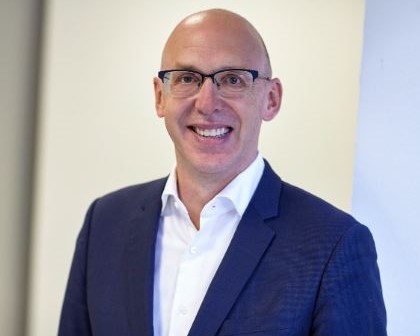
Graham Harrison
Graham Harrison is the Managing Director of the European University for Well-Being. EUniWell is one of the European University Alliances supported by the European Commission. He is also a Senior Science and Technology Consultant at the World Bank, where he has worked primarily on higher education projects focused on competitive research funding in Africa and Pakistan. Previously, Harrison served as a Program Officer in the Office of International Science and Engineering at the US National Science Foundation, focusing on US-European research cooperation and science policy issues. While at NSF, he served as the inaugural Executive Secretary of the Global Research Council. Dr. Harrison earned a B.S. from Stanford University and a Ph.D. from the University of California Santa Barbara, both in Chemical Engineering. He conducted postdoctoral research at the University of Melbourne, Australia, and was a tenured faculty member in the Department of Chemical Engineering at Clemson University in South Carolina.