
Open burning of waste thematic learning resources
The learnings and best practice outcomes from the grant projects are structured around five core themes that reflect where action is most needed. Each theme has been developed into a learning resource which you can access below. These themes are important to improve, understand and inform interventions, to enable the ending of open waste burning:
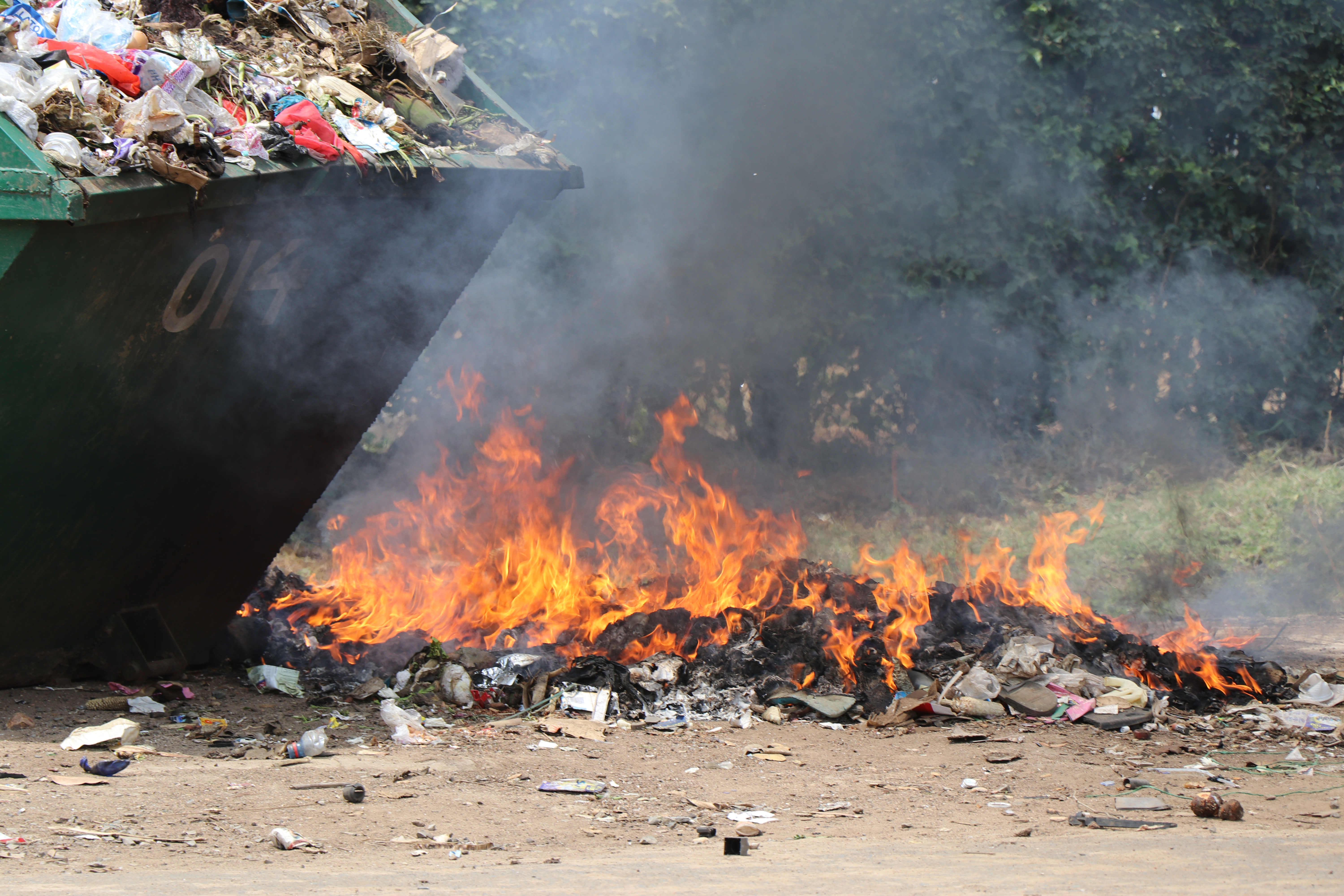
Data sets, new knowledge and analysis
- Technology can efficiently map open‑burning hotspots and help build a robust evidence base.
- Researchers may need to balance ambition with feasibility and accept that only a limited dataset can sometimes be obtained.
- Gender‑disaggregated data provides behavioural insight, showing how motivations for burning differ between men and women and highlighting opportunities for more tailored community engagement.
Community level behaviour change
- Holistic, co‑designed approaches with the communities are essential to achieve long‑lasting behavioural change.
- Simple solutions are often the most effective, and communities must feel valued and appreciated for their participation.
- Behavioural change takes time and requires continuous efforts with reflection on what is and is not working.
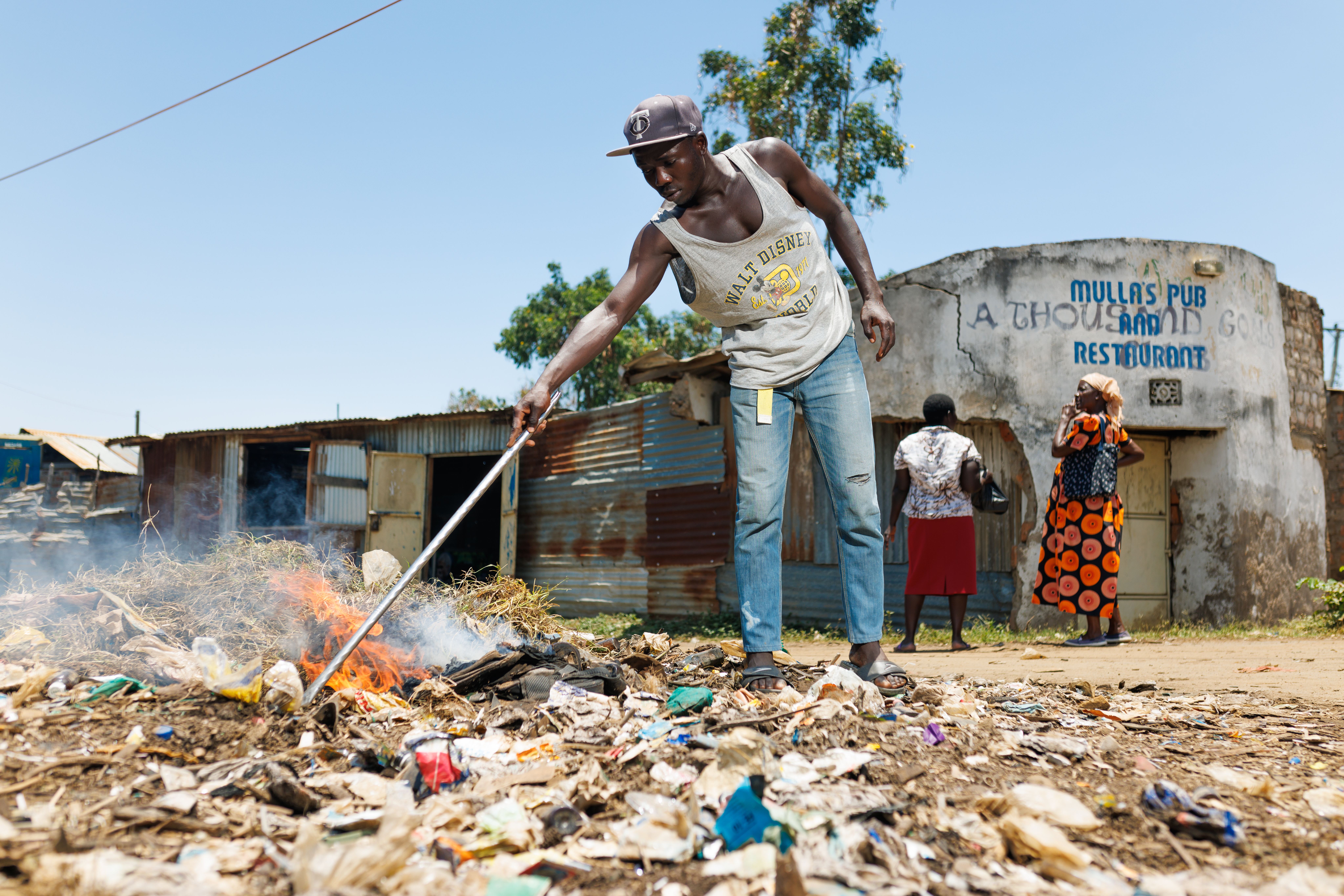
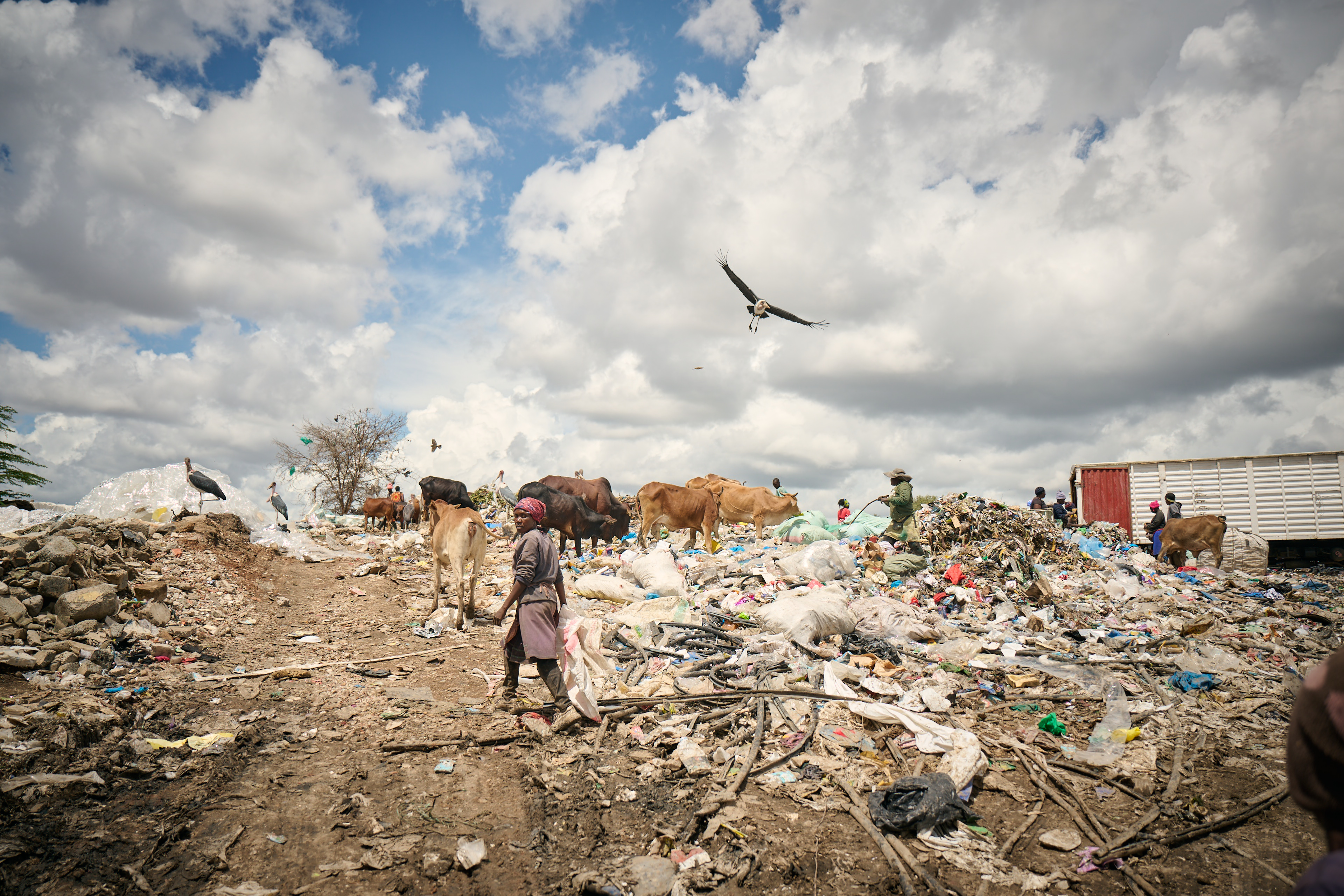
Engagement with decision‑makers
- A long‑term partnership approach, with continuous engagement and sustained time investment, is central to building trust with government officials.
- Culture can shape how people respond to change so, place-based understanding and local context are essential.
- Raising public awareness can help generate demand for action, encouraging local governments to allocate the necessary resources and implement targeted interventions to tackle open waste burning.
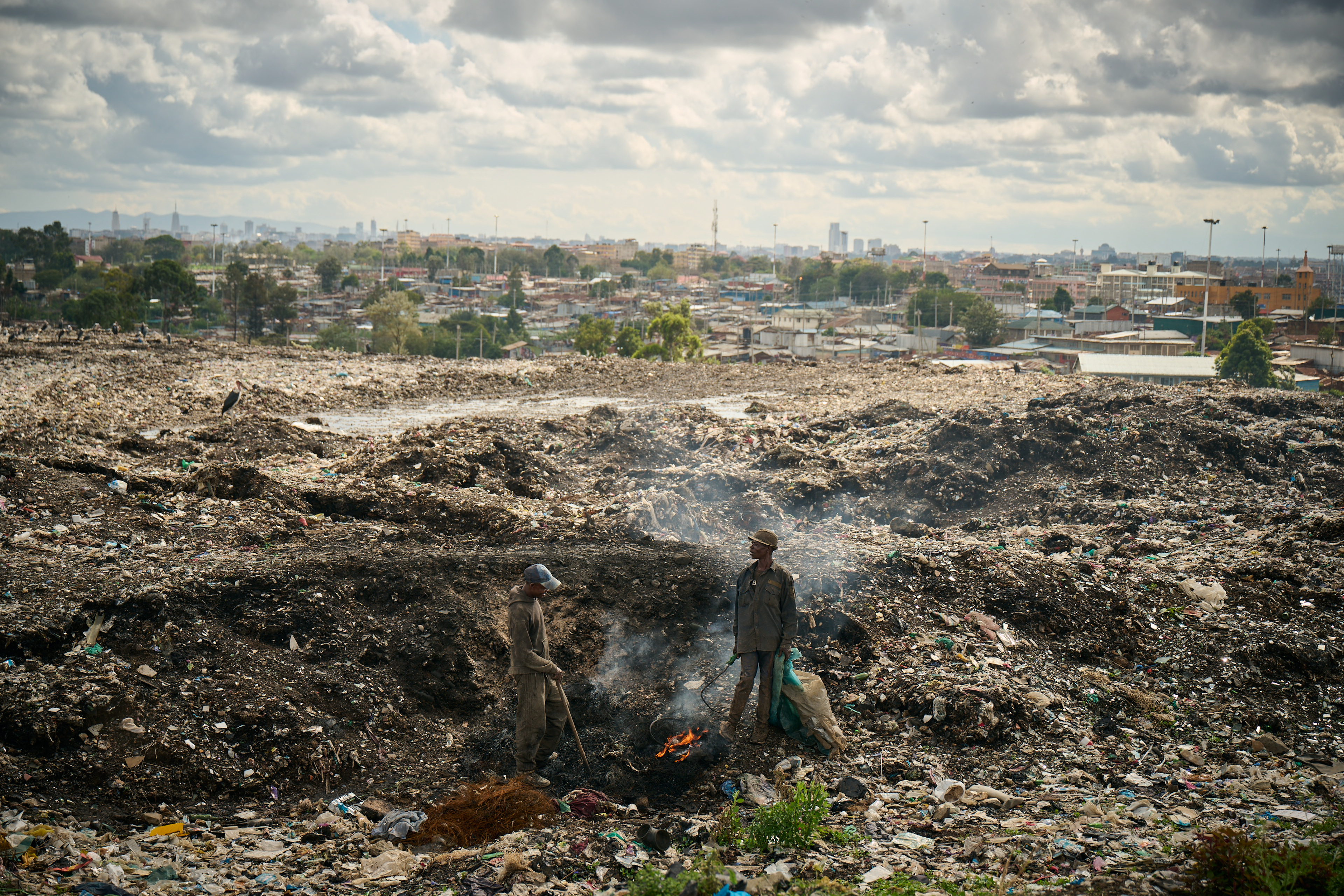
Communication and advocacy
- Education and awareness are essential for changing attitudes and are most effective when delivered through a variety of media channels.
- Cultural context can shape how communities interact with their environment and manage waste so solutions must acknowledge the social fabric of the community and work within it.
- Open burning can occur in complex socio‑economic context shaped by informal and illegal practices where flexibility and adaptability are essential for effective communication and advocacy.
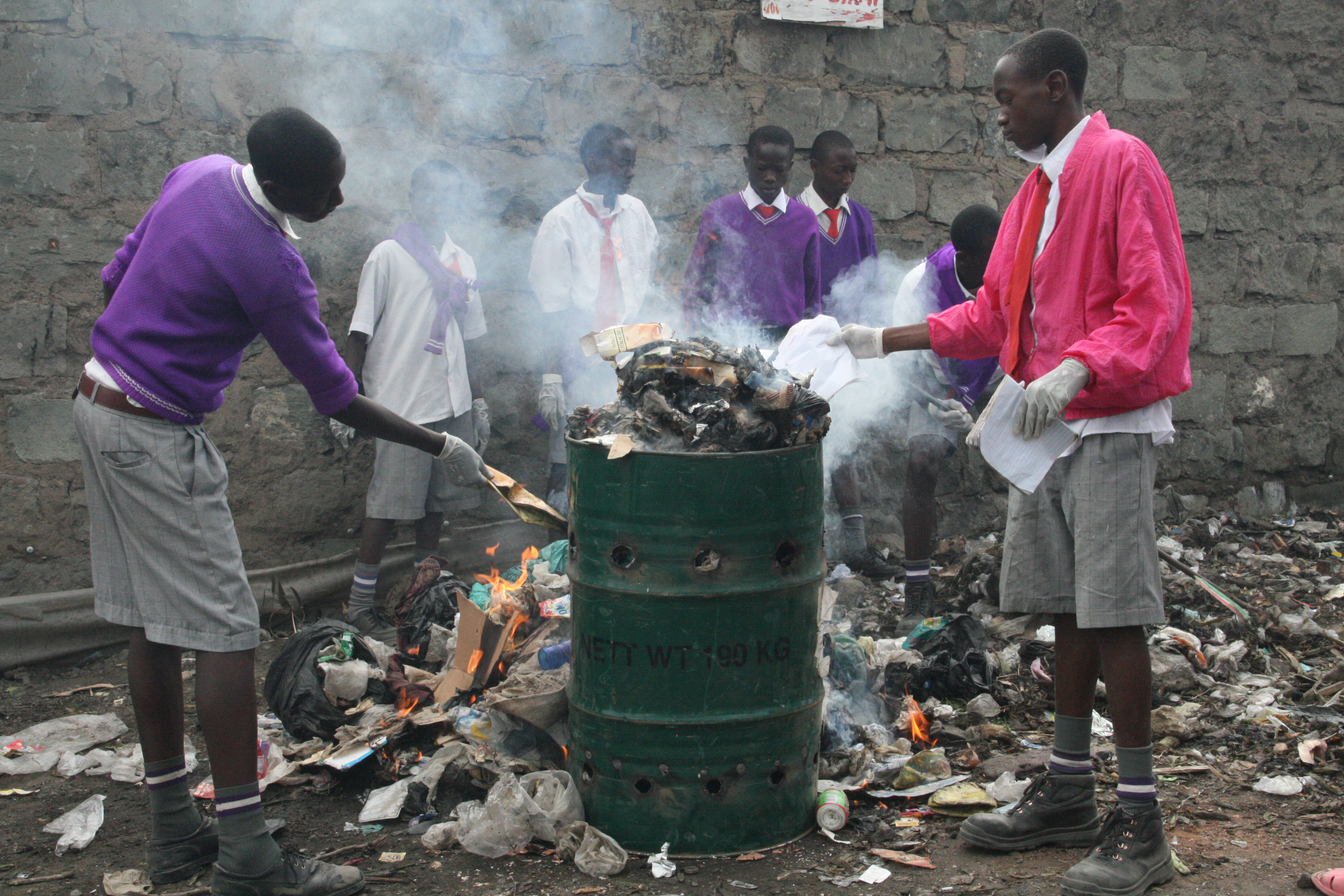
Building inclusive systems
- Multi‑actor engagement is central for creating change and building inclusive systems for complex challenges such as the open burning of waste.
- Inclusivity drives adoption and solutions only work when they are co‑created with communities.
- Inclusive systems promote local ownership, thereby strengthening the sustainability of interventions, while also mitigating the disproportionate adverse impacts experienced by women and vulnerable waste workers.
Safer End of Engineered Life
Improving safety in the decommissioning and disposal of products and structures at the end of life
Open burning of waste
Working together to create the conditions to enable changes in behaviour, policy, and practice to end open waste burnin…
Engineering X programmes
The Engineering X community is currently working on five programmes.